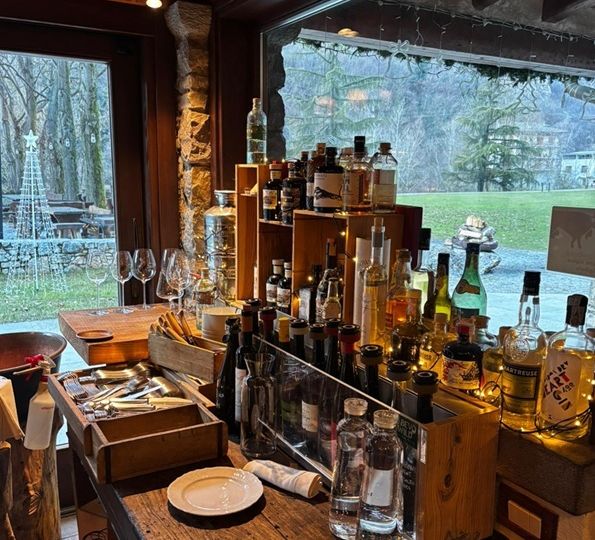
ITALIAN CUISINE: The philosophy of Simplicity and Quality
At the heart of UNESCO recognition lies a philosophy that Italian chefs have perfected over the centuries: there’s no need to mask flavors, but to enhance them. A few high-quality ingredients, treated with respect and mastery – this is the essence of Italian cuisine that has conquered the world.
Imagine sitting at a lavishly set table, where each dish tells a millennia-old story, where each ingredient holds secrets passed down from generation to generation. This is the power of Italian cuisine, a heritage so precious it has been recognized by UNESCO as a treasure of humanity.
But what makes the gastronomy of the Beautiful Country truly special? And how can you experience it in an authentic and unforgettable way?
A historic recognition that makes a difference
On December 10, 2025, in New Delhi, during the meeting of the UNESCO Intergovernmental Committee, Italian cuisine was officially inscribed on the Representative List of the Intangible Cultural Heritage of Humanity: for the first time in the world, a national cuisine has been recognized in its entirety.
This recognition goes beyond previous achievements obtained by Italy in the gastronomic field.
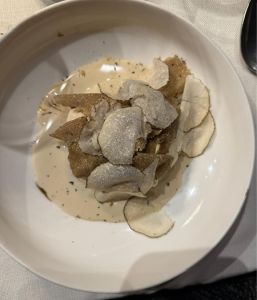
While in 2013 the Mediterranean Diet (a transnational asset shared with other countries), in 2017 the Art of Neapolitan pizza-making, and in 2021 the Search and extraction of truffles were inscribed as individual practices or specific traditions, today it is the entire Italian culinary system being celebrated by UNESCO. Not a single dish, not a particular technique, but the set of practices, knowledge, rituals, and values that make Italian culinary tradition unique.
The candidacy, titled “Italian Cuisine, between sustainability and biocultural diversity“ was submitted by the Culinary College Cultural Association for Italian food and wine, in collaboration with Casa Artusi, the Italian Academy of Cuisine, and La Cucina Italiana magazine.
With this recognition, Italy achieves a world record: of the 21 Italian traditions inscribed on the List of Intangible Cultural Heritage, no fewer than 9 are now related to agri-food, establishing a record in proportion to the overall recognitions obtained. Italian cuisine is not simply a collection of recipes, but a cultural ecosystem where each region, each city, even each small village contributes with its own culinary identity.
From Bolognese tortellini to Neapolitan pizza, from Milanese risotto to Sicilian pasta alla norma, each dish is a journey through different landscapes, climates, and histories.
What makes this recognition so special?
UNESCO justifies its decision by emphasizing that Italian cuisine fosters social inclusion, promotes well-being, and offers a channel for permanent intergenerational learning. But there’s more: the Committee recognizes Italian cuisine as a community practice that emphasizes intimacy with food, respect for ingredients, and shared moments around the table.
The candidacy concerns a shared cultural model, made up of conscious choices of raw materials, conviviality of the meal, transmission of knowledge to new generations, and respect for seasonality and local biodiversity.
It is the “cuisine of affections“: it transmits memory, care, relationships, and identity, telling stories of families and communities through food.
What makes this recognition unique is that it celebrates Italian cuisine not as a museum to be preserved, but as a living heritage.
Think of a Caprese salad: just three main ingredients – tomato, mozzarella, and basil – yet when they are of the right quality and freshness, they create a harmony of flavors capable of winning over any palate. Or consider pasta with tomato sauce: apparently simple, but it requires selecting the right tomatoes, perfect cooking timing, and quality extra virgin olive oil.
This obsessive attention to ingredient quality is deeply rooted in Italian culture. In Italy, grocery shopping is not a routine task, but almost a ritual: knowing your butcher, greengrocer, and trusted baker is part of daily life.
Regional diversity: 20 cuisines in one

One of the most fascinating aspects of Italian gastronomy is its incredible regional diversity. Traveling through Italy means discovering that there is no “one” Italian cuisine, but rather a mosaic of culinary traditions, each with its own peculiarities.
In the North, you’ll find butter and risotto reigning supreme, a legacy of proximity to the Alps and the agricultural tradition of the Po Valley.
In Piedmont, white Alba truffle perfumes autumn dishes, while in Lombardy, ossobuco and panettone tell the story of Milan.
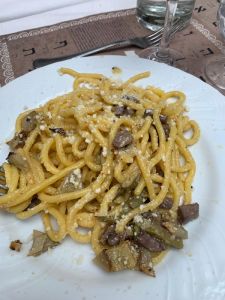
Moving toward Central Italy, olive oil begins to predominate. Tuscany will welcome you with its Florentine steaks, Sienese pici pasta, and unsalted bread, while Emilia-Romagna will make you fall in love with its fresh pasta: tagliatelle, tortellini, and lasagna that are the very symbol of Italian culinary tradition worldwide.
In the South and the Islands, the Mediterranean sun makes itself felt in intense and bold flavors. Campania is the homeland of pizza and buffalo mozzarella, Puglia offers orecchiette and burrata, Sicily surprises with its cuisine that blends Arab, Spanish, and Greek influences in dishes like caponata and arancini.
Italian chocolate: a sweet tradition of excellence
Italy’s mastery extends beyond savory dishes to the art of chocolate-making. From the historic chocolate houses of Turin, where the iconic gianduiotto was born blending hazelnuts with cocoa, to the artisanal workshops scattered throughout the country, Italian chocolate represents centuries of craftsmanship and passion. Italian chocolatiers transform premium cacao into exquisite creations, following time-honored techniques while embracing innovation. Whether it’s the rich, creamy pralines of Piedmont or the intense dark chocolate of Modica in Sicily made with ancient Aztec methods, Italian chocolate embodies the same philosophy that defines the nation’s cuisine: exceptional ingredients, meticulous attention to detail, and an unwavering commitment to quality that transforms simple pleasure into unforgettable art.
The art of conviviality
But there is one element that unites all these regional traditions: conviviality.
In Italy, food is not just nourishment for the body, but nourishment for the soul and for social relationships. It’s no coincidence that Italian meals are traditionally long and elaborate. Sunday lunch with family, dinner with friends, aperitivo after work: these are all moments when food becomes the glue of human relationships.
Living the Experience: Our Tastings and Cooking Classes
How can you truly immerse yourself in this extraordinary heritage? Our tasting experiences and cooking classes are designed precisely for this: to make you feel part of this millennia-old tradition, not as mere spectators, but as protagonists.
Guided Tastings
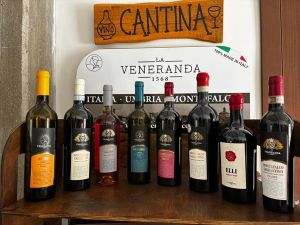
In our tastings, we accompany you on a journey through the authentic flavors of Italian cuisine. These are
not simple samplings, but true sensory experiences guided by experts who will tell you the story behind each product, its origin, production method, and cultural curiosities.
You’ll taste cheeses aged in natural caves, cured meats prepared according to centuries-old recipes, extra virgin olive oils awarded at international level, wines that are the result of unique and unrepeatable terroirs. Each bite will be accompanied by anecdotes, stories of producer families, and processing secrets that will transform your experience into something unforgettable.
Cooking Classes

If you want to take it a step further, our cooking classes will allow you to literally get your hands into the dough. Under the guidance of expert chefs, wives, mothers, and grandmothers, you’ll learn to prepare traditional Italian dishes using techniques passed down through generations.
You’ll knead and roll out pasta dough by hand to create perfect tagliatelle, discover the secrets to risotto that’s creamy to just the right degree, learn to recognize when a Neapolitan pizza is cooked to perfection.
You’ll acquire practical skills that you can reproduce in your own kitchen, amaze your friends with authentic dishes, but above all, you’ll have understood the essence of a cultural heritage that UNESCO has deemed worthy of preservation for future generations.
You’ll learn that Italian cuisine is not made of impossible-to-replicate secrets, but of simple principles: quality ingredients, respect for timing, attention to detail, and above all, love for what you do. It is this spirit that transforms a recipe into a memorable experience.
An Invitation to Discovery
We invite you to discover this fascinating world with us, to let yourself be conquered by the flavors, aromas, and stories that each dish carries.
Whether you’re an expert chef or simply a food enthusiast, you’ll find in our experiences something that will enrich you, surprise you, and move you.
Because in the end, Italian cuisine is this: pure emotion, translated into flavors that speak directly to the heart.
Join us to celebrate and experience firsthand the Italian gastronomic heritage recognized by UNESCO. Our tastings and cooking classes are waiting to make you part of this millennia-old story. And, as we say in Italy: Buon appetito!